
 European Economic Area
European Economic Area Northern IrelandFIFRA
EPA releases draft guidance for registering pre-saturated disinfecting wipes, detailing efficacy testing with ASTM E3363.
Published in December 2024. Dates, deadlines and stages may have changed since.

2 min readAI-drafted, expert reviewed
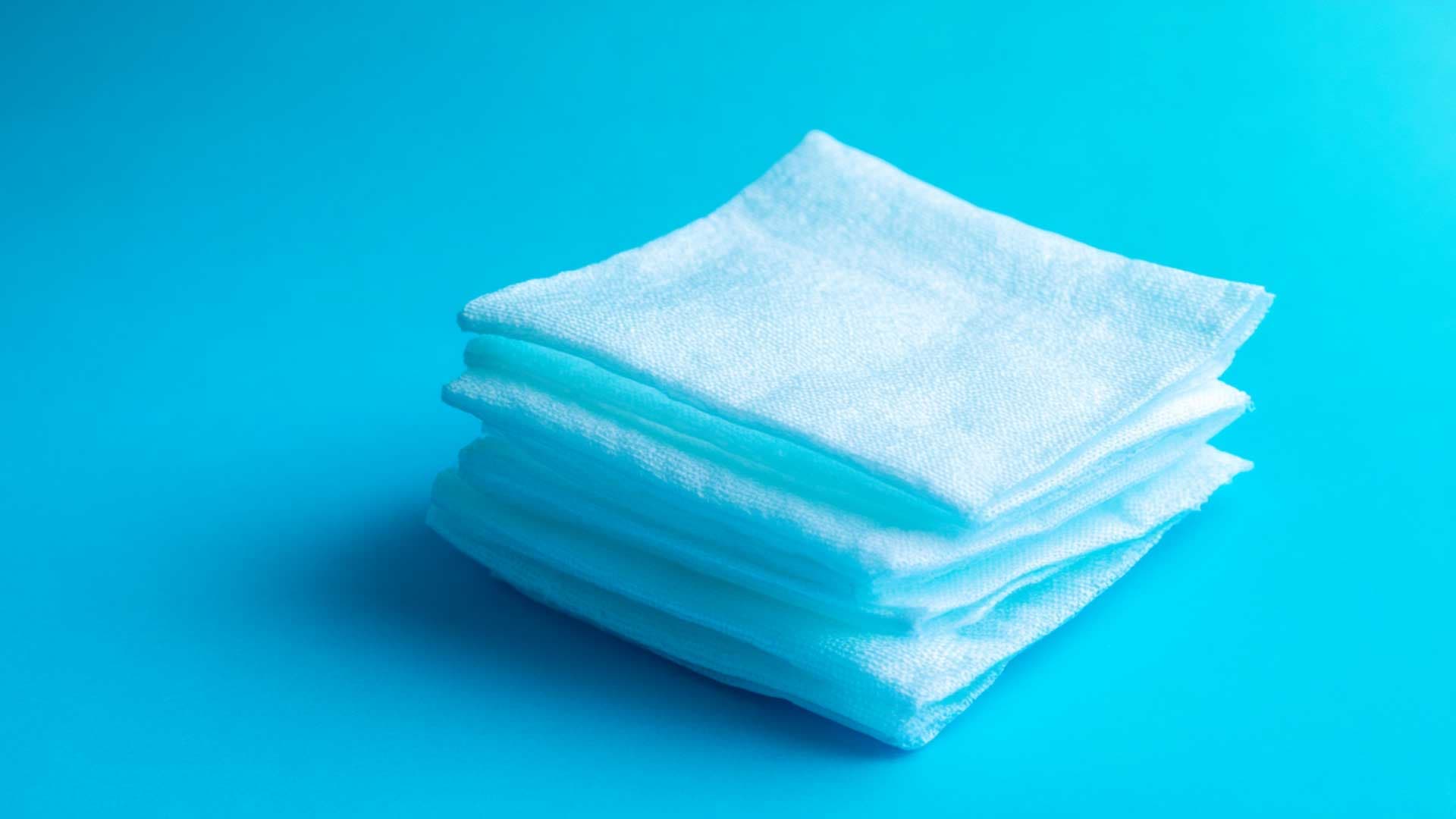
The U.S. Environmental Protection Agency (EPA) has published a draft guidance document addressing the registration and efficacy testing of pre-saturated antimicrobial towelettes, commonly known as disinfecting wipes. Released on November 20, 2024, the document introduces a newly standardised testing protocol, ASTM E3363, tailored for evaluating disinfecting claims on hard, non-porous surfaces such as glass, stainless steel, and hard plastics.
This initiative aligns with EPA’s regulatory responsibilities under the Federal Insecticide, Fungicide, and Rodenticide Act (FIFRA), ensuring the effectiveness of disinfectant products before they are marketed in the U.S.. Historically, efficacy assessments for wipes were adaptations of liquid formulation methods. The ASTM E3363 method, approved in September 2023, standardises this process to better accommodate the unique properties of antimicrobial towelettes.
The draft specifies:
Testing Requirements: Evaluations must use the complete, packaged product as sold, ensuring consistency in antimicrobial efficacy.Testing Method: ASTM E3363 combines chemical inactivation with mechanical removal of microbes, targeting claims against bacteria such as Staphylococcus aureus and Salmonella enterica. Products must demonstrate a minimum 4.5 log reduction in viable bacteria to qualify.Exclusions: Products deviating from pre-saturated formats, such as dry-to-wet wipes, require case-by-case evaluations.
The guidance does not impose new regulatory requirements but provides a streamlined approach for compliance, potentially reducing the burden on registrants. Stakeholders have 60 days to comment on the draft via the docket EPA-HQ-OPP-2024-0414 at Regulations.gov, with submissions closing on January 21, 2025.
This document reflects EPA’s commitment to upholding public health standards while facilitating innovation in antimicrobial product development. Finalisation of this guidance will mark a significant milestone in the regulatory landscape for disinfecting wipes.
Official source
regulations.gov
Dr Steven Brennan
CEO and co-founder of Foresight, and a co-opted member of ECHA's Committee for Socio-economic Analysis. He holds a PhD in chemical engineering.
More from Dr Steven BrennanForesight follows changes like this one and shows where they reach your substances, products and markets.
European Economic Area

European Economic Area

European Economic Area
Foresight Weekly brings the week's regulatory changes across chemicals, product safety, sustainability, ESG and EHS into one email.
Read by professionals at


