 Japan
Japan
Japan Issues MHLW Ordinance To Implement Occupational Safety Law Amendments
Japan’s Official Gazette has published a Ministry of Health, Labour and Welfare ordinance that updates implementing rules for phased amendments to occupational safety and work environment measurement laws.

Dr Steven Brennan
2 min readAI-drafted, expert reviewed
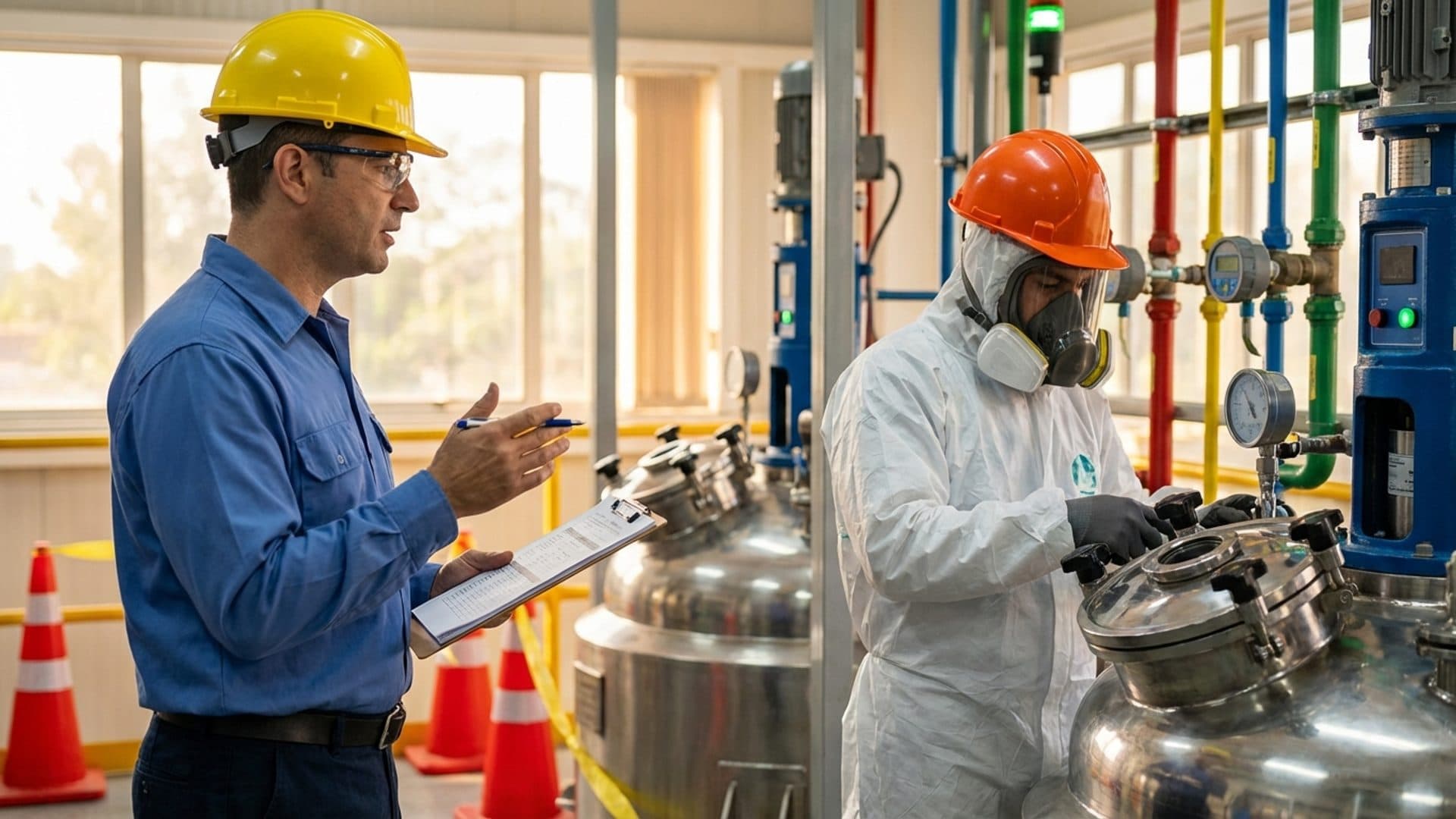
Japan’s Official Gazette (Kanpō) has published a Ministry of Health, Labour and Welfare (MHLW) ministerial ordinance linked to the phased implementation of amendments to the Industrial Safety and Health Act and the Work Environment Measurement Act. For manufacturers, importers, and downstream users of hazardous substances, the text signals a continued tightening of how chemical hazard information and protective measures must be managed and communicated on Japanese worksites.
What The Ordinance Covers
The gazette sets out MHLW Ministerial Ordinance No. 3 of 20 January 2026, an “ordinance for the development of related ministerial ordinances” accompanying partial commencement of the 2025 amending act. The extracted provisions show amendments across implementing rules, including chemical-related duties and workplace control requirements.
One notable area concerns notifications that use an alternative chemical name for a component. The ordinance text indicates that where an alternative name is used, there are specific recordkeeping and disclosure expectations: relevant ingredient information must be retained for a defined period and disclosed without delay when needed for occupational health management, including to an occupational physician or other designated medical professional. The same framework anticipates disclosure in response to oversight needs, with confidentiality protections to limit disclosure to what is necessary.
Implications For Chemical Risk Management And Contractors
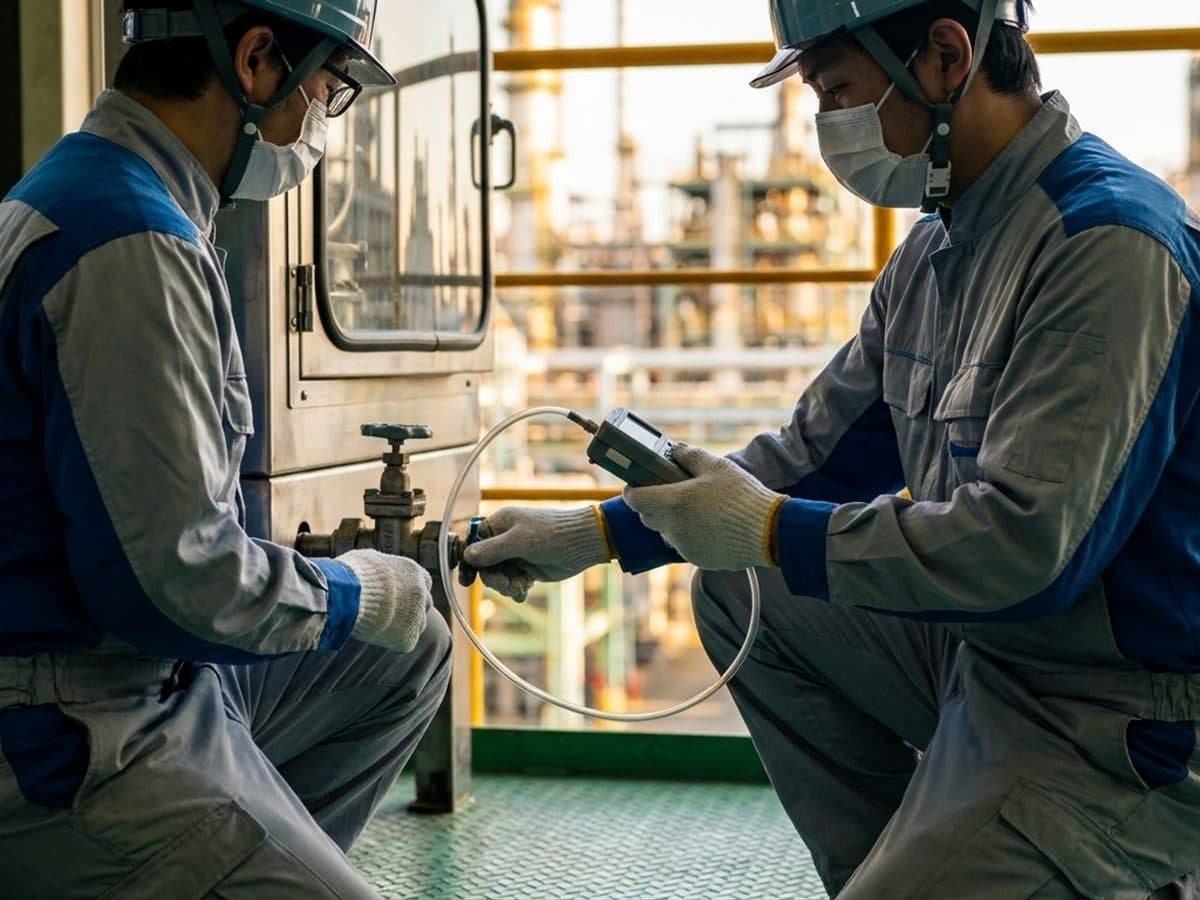
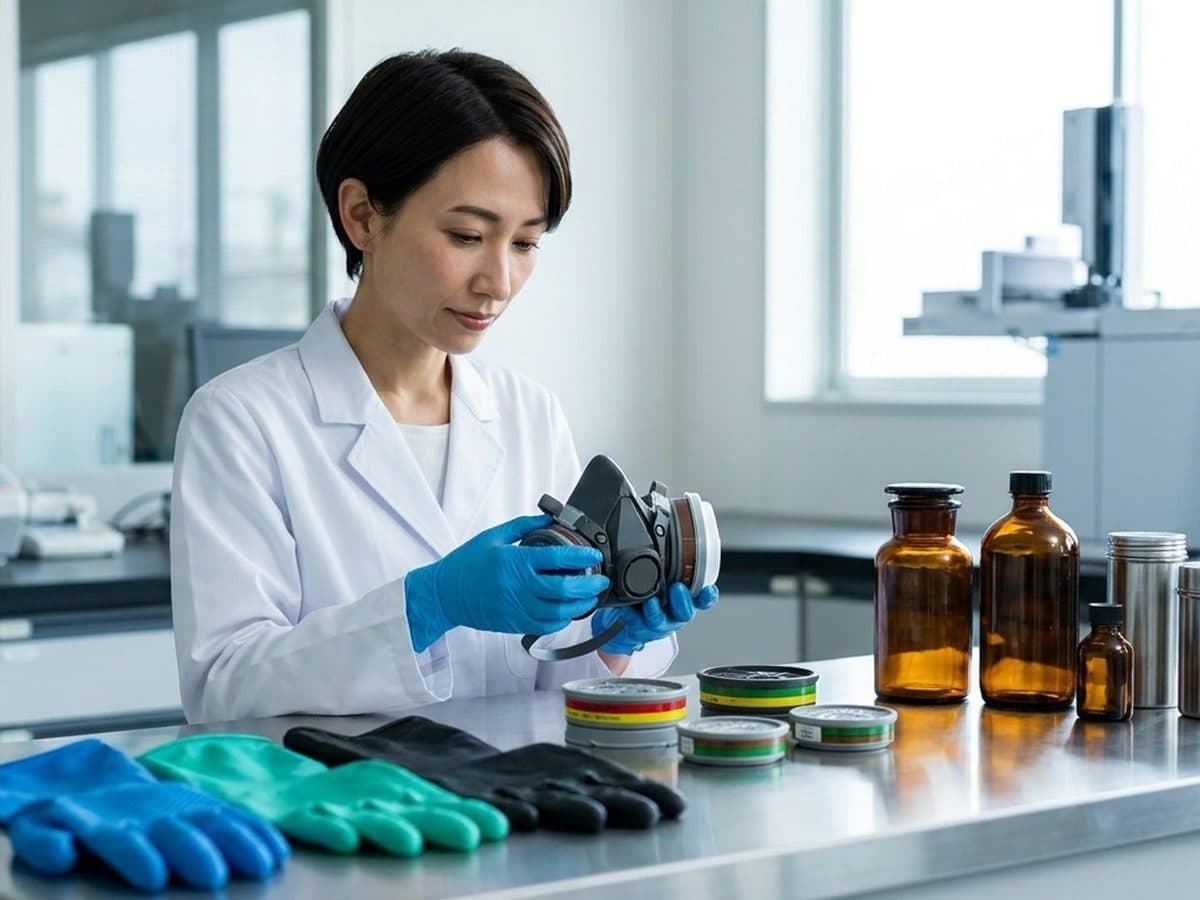
The published amendments also touch on protective equipment and exposure control obligations in regulated chemical work. The text shows requirements framed around “persons engaged in the work”, alongside provisions addressing situations where work is subcontracted. In practice, this increases the importance of ensuring respiratory protection and other control requirements are communicated consistently across contractor chains, not only to direct employees.
Separately, the ordinance includes updates that relate to alarms, signage, and workplace warnings in scenarios such as fires or releases of particularly harmful chemicals in leased buildings, reinforcing that chemical incident readiness is part of broader workplace safety governance.
What Companies Should Do Now
Chemical companies operating in Japan should review how they handle confidential ingredient disclosures when alternative names are used, confirm retention and handover processes, and pressure-test contractor management workflows so that protective equipment requirements are clearly communicated and auditable across all parties performing the work.
Official source
Japan Official Gazette (Kanpō), Extra Edition No. 12: MHLW Ministerial Ordinance No. 3 (20 January 2026)kanpo.go.jp
Questions about this change
What is an “alternative chemical name” notification and why does it matter?
Where a notifier uses an alternative chemical name for a component in a regulated notification, Japan’s rules still require a mechanism to disclose the underlying ingredient information for occupational health needs and oversight. Companies should ensure they can provide the ingredient details promptly to the appropriate medical professional or authority, while protecting confidential information.
What practical changes should chemical companies operating in Japan consider now?
Review internal processes for safety documentation and contractor management. In particular, confirm how ingredient information is stored and retained when alternative names are used, and verify that protective equipment requirements and workplace controls are effectively communicated to all persons performing the work, including those working under subcontracting arrangements.

Dr Steven Brennan
CEO and co-founder of Foresight, and a co-opted member of ECHA's Committee for Socio-economic Analysis. He holds a PhD in chemical engineering.
More from Dr Steven BrennanFind out what this means for your products
Foresight follows changes like this one and shows where they reach your substances, products and markets.
Join 3,500+ professionals staying ahead
Foresight Weekly brings the week's regulatory changes across chemicals, product safety, sustainability, ESG and EHS into one email.
Read by professionals at


