
 European Economic Area
 Great BritainGB Biocidal Products Regulation
GB opens public consultation on creosote substitution, seeking input on alternatives to reduce health and environmental risks.
Published in October 2024. Dates, deadlines and stages may have changed since.

2 min readAI-drafted, expert reviewed
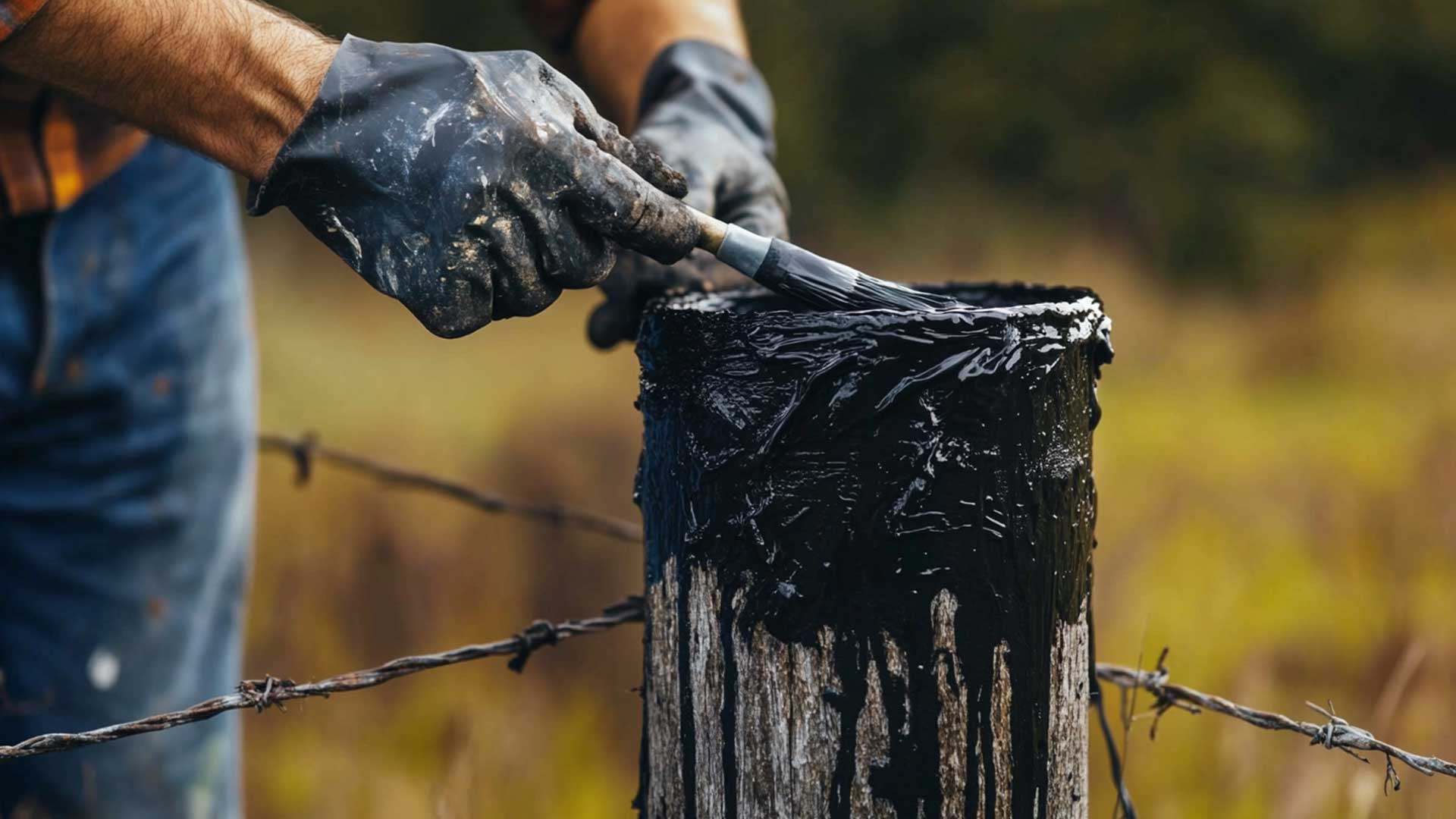
The Health and Safety Executive (HSE) has launched a public consultation on creosote, a widely used biocide in Great Britain (GB), as it is now considered a candidate for substitution. The consultation, open until 24 November 2024, aims to gather feedback on the availability of safer alternatives to creosote or the lack thereof, to inform future regulatory decisions.
Creosote, a substance commonly used as a wood preservative, has been identified as meeting at least one exclusion criterion under Article 5(1) of the GB Biocidal Products Regulation (GB BPR). This means its use may pose significant health or environmental risks. Despite this, the substance may still be approved under Article 5(2) if certain conditions are met, prompting the review to explore the feasibility of alternatives.
The HSE has categorized creosote as a "candidate for substitution" in accordance with Article 10(1) of the GB BPR. This classification is given to substances that are potentially hazardous and could be replaced with safer alternatives.
The consultation seeks input from various stakeholders, including manufacturers, users of biocidal products, and relevant authorities. Feedback will play a crucial role in determining whether creosote should be replaced by substances that reduce risks such as exposure or hazardous properties while remaining technically and economically feasible.
Participants are encouraged to submit their views through the HSE's official consultation portal. Submissions must detail either the existence of viable alternatives or the current lack of feasible replacements.
Creosote has been used extensively in industries such as construction and agriculture for its preservative qualities. If viable alternatives are identified, it could lead to significant changes in how wood preservation is managed, impacting both industry practices and environmental health.
However, if no suitable alternatives are found, the continued use of creosote, with specific regulatory oversight, may still be possible under Article 5(2).
Following the close of the consultation on 24 November 2024, the HSE will review submissions and determine whether to proceed with phasing out creosote or continue its use under stricter regulations.
Official source
content.govdelivery.com
Dr Steven Brennan
CEO and co-founder of Foresight, and a co-opted member of ECHA's Committee for Socio-economic Analysis. He holds a PhD in chemical engineering.
More from Dr Steven BrennanForesight follows changes like this one and shows where they reach your substances, products and markets.
European Economic Area

European Economic Area
European Economic Area
Foresight Weekly brings the week's regulatory changes across chemicals, product safety, sustainability, ESG and EHS into one email.
Read by professionals at


