
 European Economic Area
European Economic Area Northern IrelandREACH
The evaluation confirms that Diuron poses a confirmed risk of endocrine disruption to the environment.
Published in July 2024. Dates, deadlines and stages may have changed since.

3 min readAI-drafted, expert reviewed
The Finnish Safety and Chemicals Agency (Tukes) has released a comprehensive evaluation report on Diuron, a widely used herbicide and industrial chemical, highlighting significant environmental and health concerns. The substance, identified by its EC 206-354-4 and CAS 330-54-1, has been under scrutiny since its inclusion in the Community Rolling Action Plan (CoRAP) in 2014.
The report underscores several key findings:
Endocrine Disruption: The evaluation confirms that Diuron poses a confirmed risk of endocrine disruption to the environment. However, the evidence for endocrine disruption in human health remains inconclusive, necessitating further research.Environmental Exposure: Diuron's potential for wide dispersive use and environmental exposure has been confirmed. The substance's persistence, bioaccumulation, and mobility contribute to its prevalence in ground and surface waters, posing a significant pollutant threat.Water Pollution: The presence of Diuron in wastewater treatment plant effluents, surface water, groundwater, and biota confirms its status as a ground and surface water pollutant.
In response to these findings, Tukes proposes several regulatory actions at the EU level:
Harmonised Classification and Labelling: A proposal will be submitted to classify Diuron as an endocrine disruptor for the environment in Category 1. The substance already has an amended classification as a Category 1B carcinogen under Commission Delegated Regulation (EU) 2024/197.Identification as a Substance of Very High Concern (SVHC): The report suggests that SVHC identification could follow the updated classification, focusing on the endocrine disrupting properties and potential PMT (Persistent, Mobile, and Toxic) and PBT (Persistent, Bioaccumulative, and Toxic) characteristics.Restrictions and Bans: The upcoming classification as a Category 1B carcinogen will restrict Diuron from consumer use under Annex XVII of Regulation EC No 1907/2006. Further restrictions may be considered based on its endocrine disrupting properties and environmental persistence.
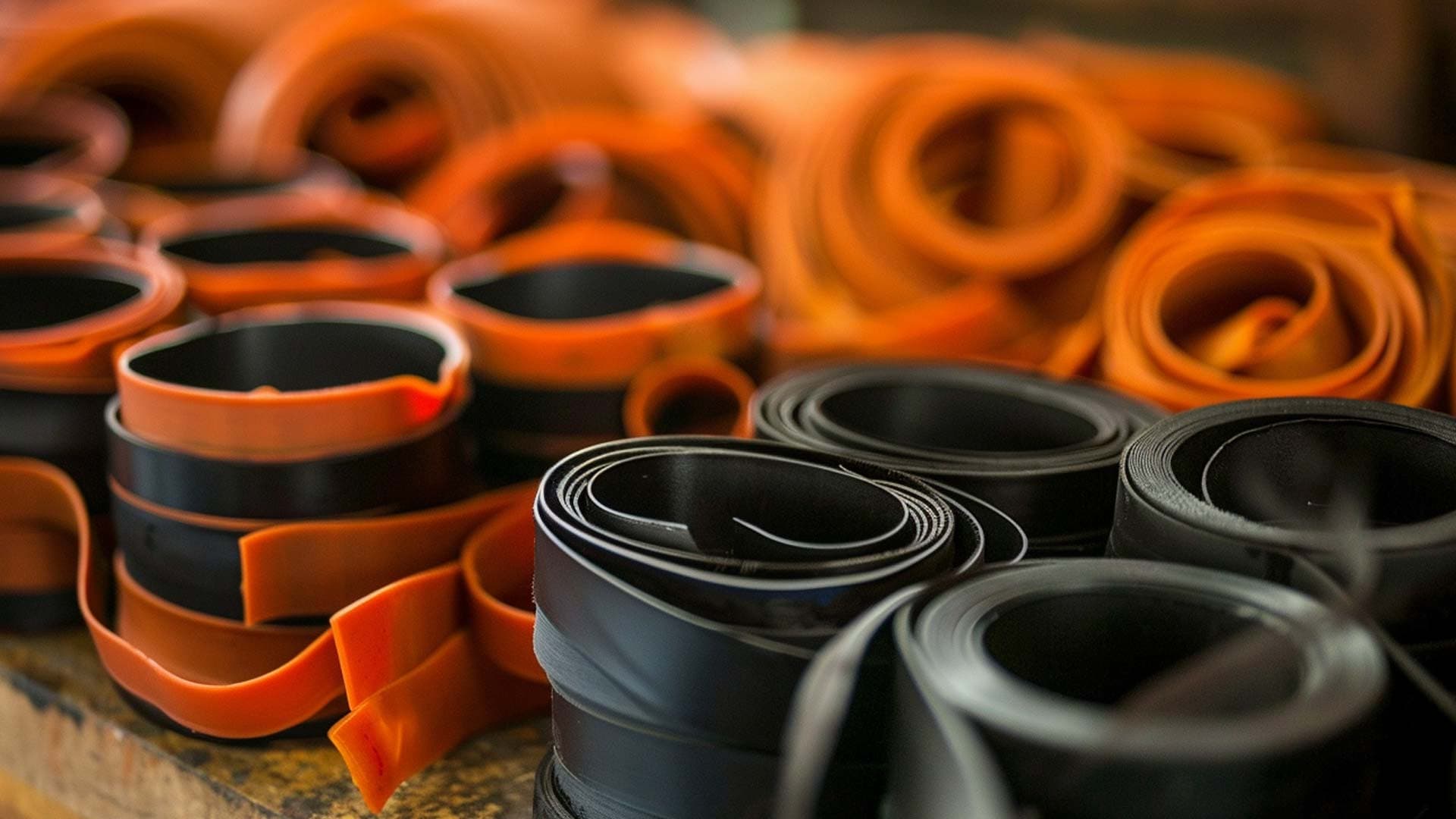
Diuron is extensively used in the manufacture of rubber products and polymer preparations, with significant applications in industrial sites and outdoor environments. The report details Diuron’s persistence in various environments, its degradation pathways, and the formation of potentially harmful transformation products. Notably, the substance is not readily biodegradable, and its transformation products, such as 3,4-dichloroaniline (3,4-DCA), raise additional environmental concerns.
The report concludes that while the risk management measures in place do not currently address the endocrine disrupting properties of Diuron, further assessment is needed to fully understand its PMT and PBT/vPvB (Very Persistent and Very Bioaccumulative) properties. The Finnish Safety and Chemicals Agency will continue to monitor and assess Diuron to ensure comprehensive regulatory measures are implemented.
Official source
echa.europa.euTopics

Dr Steven Brennan
CEO and co-founder of Foresight, and a co-opted member of ECHA's Committee for Socio-economic Analysis. He holds a PhD in chemical engineering.
More from Dr Steven BrennanForesight follows changes like this one and shows where they reach your substances, products and markets.
European Economic Area

European Economic Area

European Economic Area
Foresight Weekly brings the week's regulatory changes across chemicals, product safety, sustainability, ESG and EHS into one email.
Read by professionals at


