 European Union
EU Launches RESourceEU Action Plan To Tackle Critical Raw Materials Dependency
The EU’s RESourceEU Action Plan aims to reduce critical raw materials dependency, boost recycling and accelerate diversification for industrial resilience.

Dr Steven Brennan
3 min readAI-drafted, expert reviewed
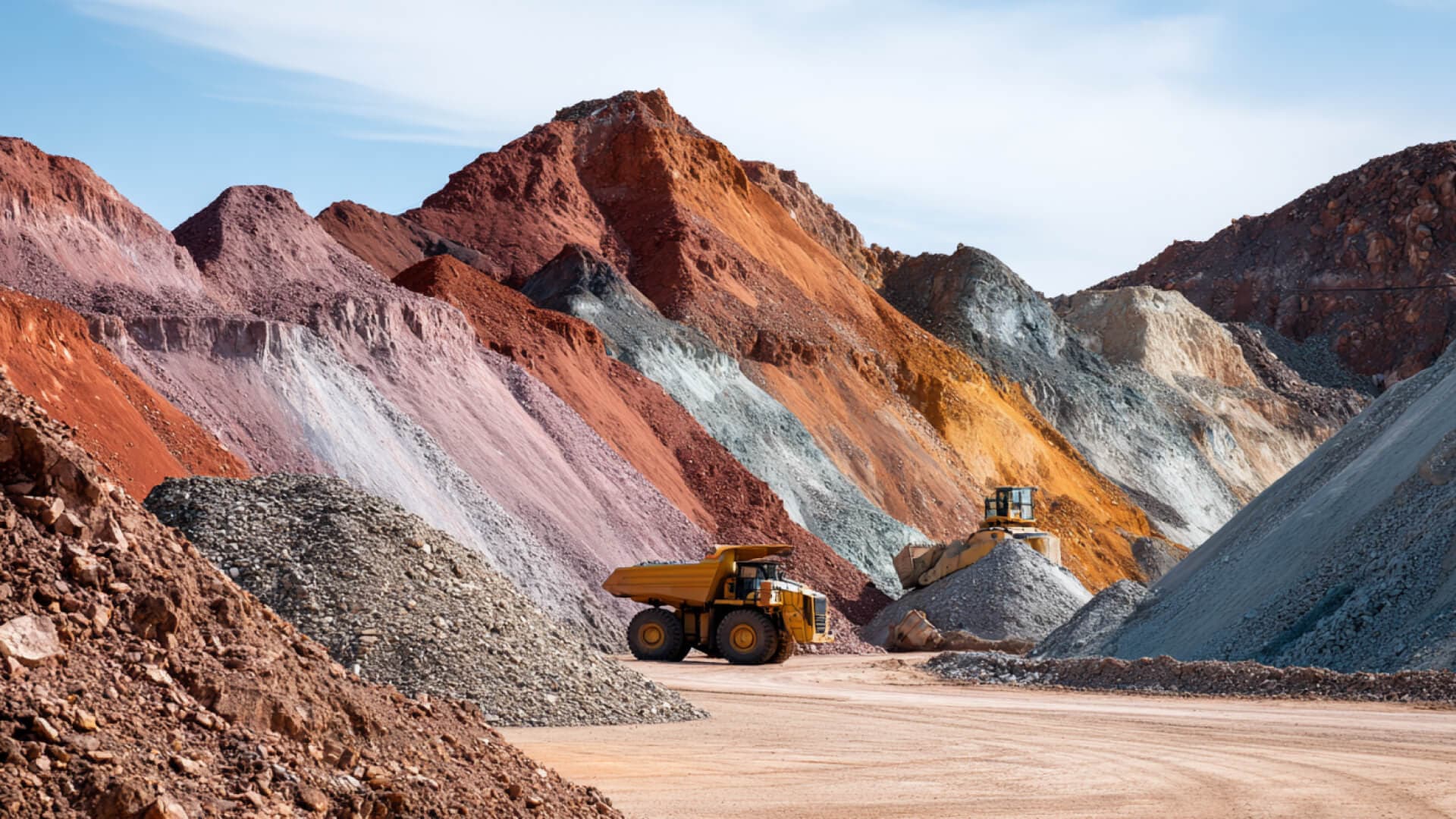
The European Commission has launched the RESourceEU Action Plan, a major step forward in securing the EU’s autonomy over critical raw materials (CRMs). Published on 3 December 2025, the plan outlines a coordinated, accelerated effort to reduce reliance on non-EU suppliers, especially China, while enhancing the EU’s capacity to extract, process, and recycle CRMs. It builds on the foundations laid by the Critical Raw Materials Act (CRMA) in 2024 and comes amid increasing geopolitical instability and growing concerns over supply disruptions.
For professionals across the chemicals, energy, defence, and advanced manufacturing sectors, the RESourceEU Action Plan marks a strategic shift in the EU’s industrial policy—anchoring resilience and sustainability in critical supply chains that underpin Europe’s green, digital, and security transitions.
CRMs: A Strategic Imperative For Europe's Industrial Future Critical Raw Materials Such As lithium, rare Earth Elements, cobalt, nickel, And graphite Are Essential To A Range Of Technologies, From Electric Vehicles And Wind Turbines To Semiconductors And Defence Systems. Yet The EU Remains heavily Dependent On Imports, With over 65% Of Several CRMs Sourced From A Single Non-EU Country, Primarily China. The European Commission Has Raised The Alarm That These Dependencies Present serious Vulnerabilities. Export Restrictions, Opaque Licensing Regimes, And Political Tensions Have Already Caused supply Disruptions, Placing Sectors Such As Automotive, Aerospace, Medical Devices, And Defence At Risk Of production Slowdowns, plant Closures, And job Losses.
Without decisive action, the
EU risks falling behind in global industrial competitiveness and failing to meet its 2030 climate and defence readiness objectives.
Strategic Investments And Supply Chain Resilience At The Heart Of The RESourceEU Action
Plan is the creation of the European Critical Raw Materials Centre, set to become operational in 2026.
This central body will provide:
- Market intelligence on primary and secondary CRMs supply chains - Guidance on investment and stockpiling strategies - Coordination of joint purchasing and demand aggregation - Monitoring of Strategic Projects to ensure timely delivery The Centre draws inspiration from Japan’s JOGMEC model and is designed to act as a strategic “shield” for the EU’s single market. To support CRM production and diversification, the Commission aims to mobilise €3 billion in investments over the next 12 months.
This includes:
- €700 million from the Innovation Fund in 2026, targeting clean tech and CRM supply chains - €1.8 billion under the Battery Booster programme - €2 billion annually in CRM-related finance from the European Investment Bank (EIB) - Additional support through the European Defence Industry Programme and Just Transition Fund Projects already receiving backing include Vulcan’s lithium extraction site in Germany and Greenland Resources’ molybdenum mine, key to strengthening defence supply chains.
Promoting Circularity And Innovation
Boosting the circular use of CRMs is a central pillar of the plan. Currently, less than 1% of rare earths are recycled in the EU, and around 40% of end-of-life products are collected. The Commission will: - Propose restrictions on the export of permanent magnet scrap by Q2 2026 - Ban exports of black mass from waste batteries to non-OECD countries starting September 2026 - Introduce labelling and recyclability requirements for permanent magnets - Support facilities like Hydromet in Finland and MagReesource in France in scaling up recycling Furthermore, the revision of the CRMA will expand definitions of recycled content to include pre-consumer waste, encouraging manufacturers to reintegrate high-purity materials into production lines.
Research and innovation will also be bolstered, with:
- €593 million in Horizon Europe calls for circular economy and material efficiency - €100 million in EIC Accelerator blended finance, targeting CRM substitutes and advanced materials - Support for Important Projects of Common European Interest (IPCEIs) in CRM innovation and deployment ## Building a Trusted Global CRM Network To diversify supply, the EU is intensifying cooperation with 15 strategic partner countries, including Canada, South Africa, Brazil, Kazakhstan, and Namibia. These partnerships focus on: - Joint investment in CRM exploration and processing - ESG-aligned project development - Enhanced trade through Clean Trade and Investment Partnerships A matchmaking platform, part of the EU Energy and Raw Materials Platform, launched in November 2025, will host its first round of demand aggregation in March 2026, focusing on rare earths, battery inputs, and defence-related CRMs. This tool is designed to: - Connect EU buyers with trusted suppliers - Improve SME access to strategic materials - Facilitate joint purchasing and offtake agreements - Strengthen market transparency and long-term viability for EU projects This system will ultimately integrate into the Critical Raw Materials
Centre’s operations, ensuring consistent alignment with industrial needs.
Official source
COMMUNICATION FROM THE COMMISSION TO THE EUROPEAN PARLIAMENT, THE COUNCIL, THE EUROPEAN ECONOMIC AND SOCIAL COMMITTEE AND THE COMMITTEE OF THE REGIONS RESourceEU Action Plan Accelerating our critical raw materials strategy to adapt to a new realityeur-lex.europa.eu
Topics
Questions about this change
What is the main goal of the RESourceEU Action Plan?
The RESourceEU Action Plan aims to reduce the EU's reliance on non-EU countries for critical raw materials by enhancing domestic extraction, processing, and recycling while diversifying international supply sources.
How does the RESourceEU plan support manufacturers?
It offers de-risking finance, streamlined permitting, joint purchasing mechanisms, and recycling incentives. These measures support manufacturers in securing reliable CRM supply chains and complying with the CRMA's strategic goals.

Dr Steven Brennan
CEO and co-founder of Foresight, and a co-opted member of ECHA's Committee for Socio-economic Analysis. He holds a PhD in chemical engineering.
More from Dr Steven BrennanFind out what this means for your products
Foresight follows changes like this one and shows where they reach your substances, products and markets.
 Japan
Japan
 United States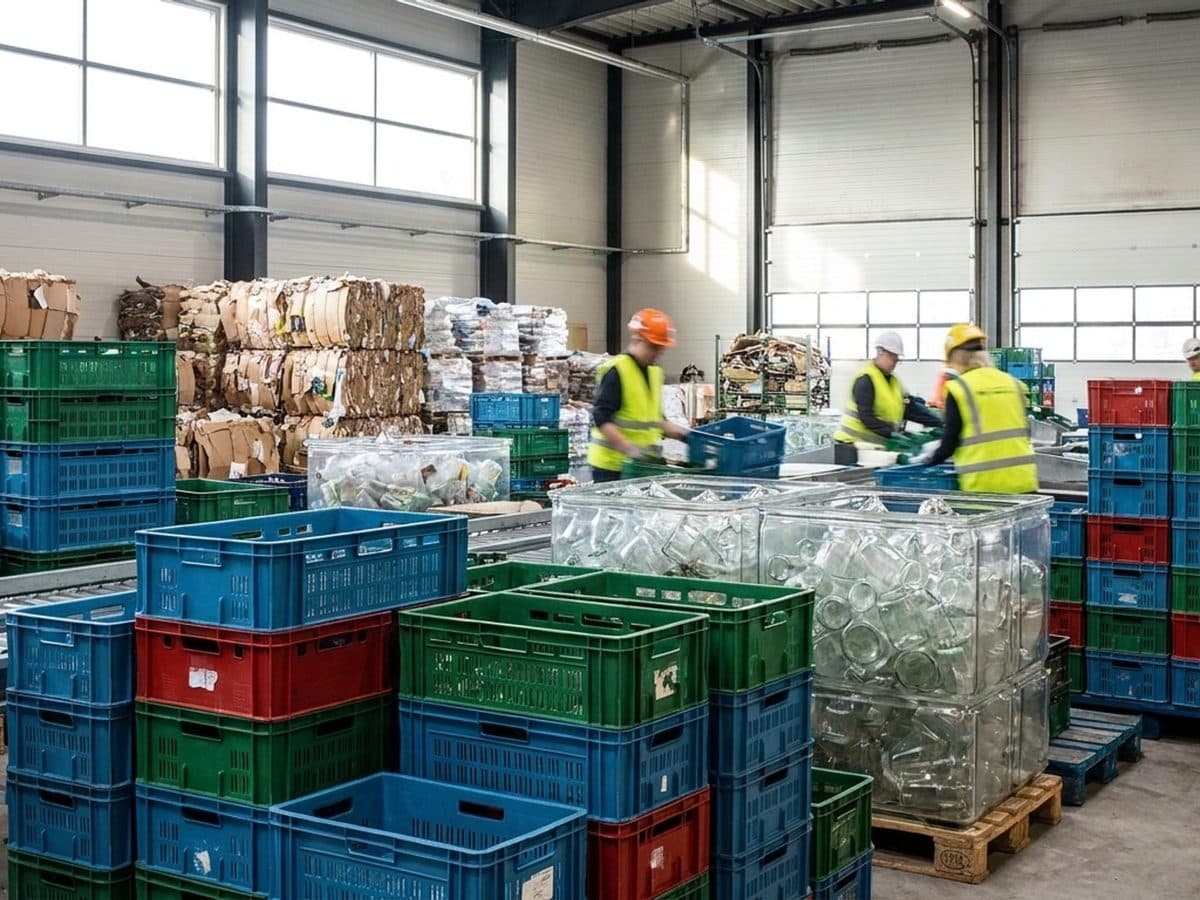
Join 3,500+ professionals staying ahead
Foresight Weekly brings the week's regulatory changes across chemicals, product safety, sustainability, ESG and EHS into one email.
Read by professionals at


