
EU ENVI Committee To Debate PFAS Ban And Water Policy Reforms
The ENVI Committee’s upcoming sessions will address major regulatory reforms on PFAS, microplastics, water policy, and soil health. Manufacturers should prepare for a shift in compliance demands, especially concerning PFAS use and water management. Foresight will continue to provide detailed analysis and readouts following the sessions.
Published in April 2025. Dates, deadlines and stages may have changed since.

Dr Steven Brennan
3 min readAI-drafted, expert reviewed
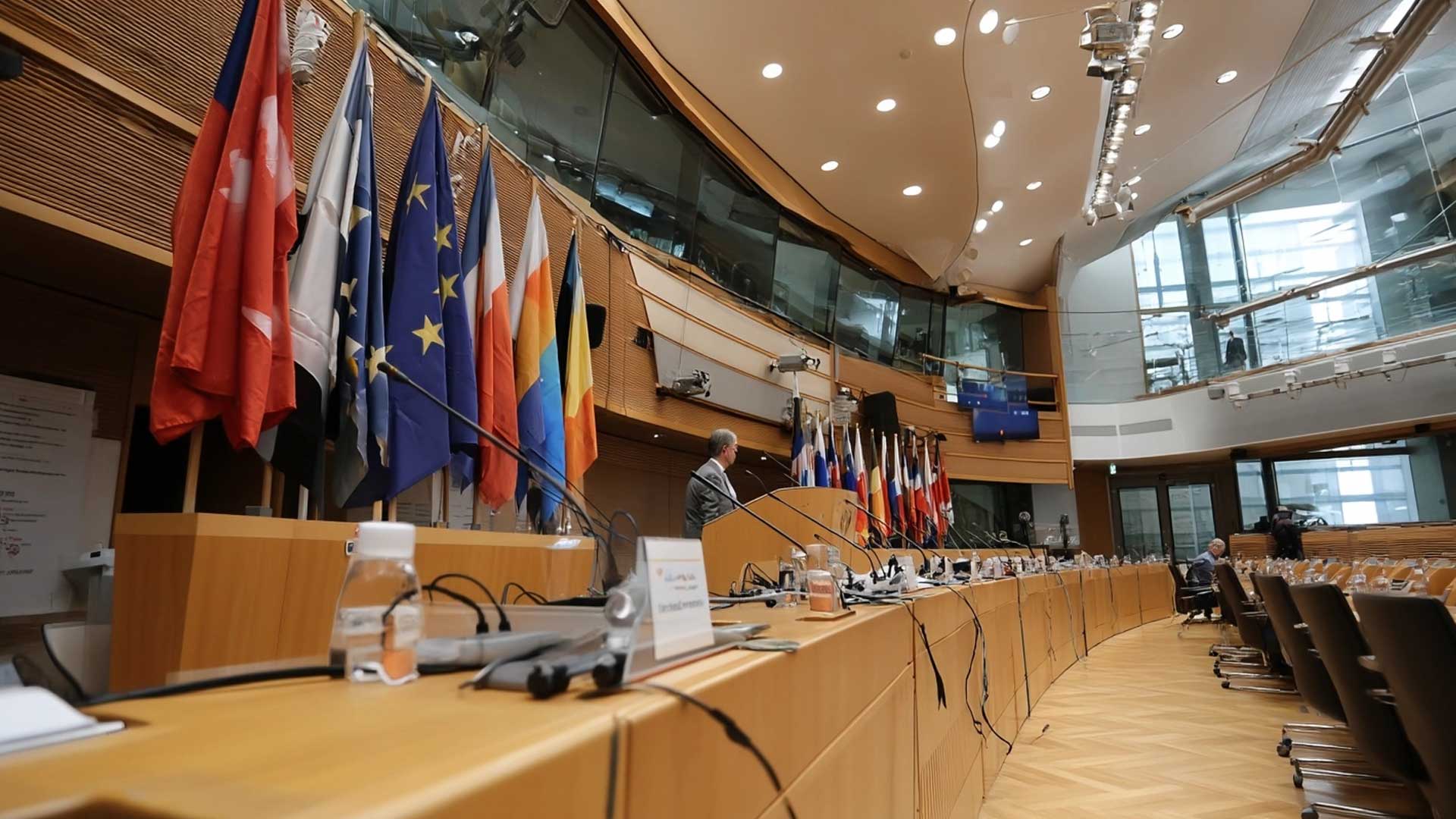
The European Parliament’s ENVI Committee will meet in Brussels on 23–24 April 2025 to debate major environmental and chemical legislation. Central to the agenda are discussions on a planned PFAS restriction, implementation of EU water and flood directives, and legislative updates on microplastics, soil health, and toy safety. These developments could have a significant impact on manufacturers and downstream users of regulated substances.
PFAS Restrictions: Commission Position Coming Soon
On 24 April, the ENVI Committee will hold an exchange of views with the Commission on its planned actions concerning per- and polyfluoroalkyl substances (PFAS). This follows a 2023 proposal by five Member States aiming to restrict PFAS use in the EU. The document notes:
“European Chemicals Agency (ECHA) is currently evaluating the proposal in batches due to the complexity and volume of input.”
The Commission is expected to provide further clarity in 2025 as part of its broader chemicals industry package. According to the session agenda:
“At their hearings, Commissioner Roswall and Executive Vice-President Séjourné committed to banning PFAS in consumer products.”
However, the Commission also acknowledges the importance of PFAS for some sectors, adding:
“The Commission recognises that certain industrial uses are 'essential' and crucial to green transition and Europe’s strategic autonomy and supports such uses, under strictly controlled conditions, until acceptable substitutes are found.”
These developments are highly relevant for manufacturers in electronics, aerospace, automotive, and industrial coatings, many of which rely on PFAS for their unique chemical stability.
Microplastics, Soil Health, And Toy Safety In Focus
On 23 April, the committee will report back on interinstitutional negotiations related to:
- Plastic pellet losses, aimed at reducing microplastic pollution.
- The Soil Monitoring Law, to improve monitoring practices across Member States.
- The Safety of Toys regulation, led by IMCO, intended to strengthen protections for children's health.
These agreements are expected to result in press releases outlining final compromises and practical implications.
Water And Flood Directive Assessments
Also on 24 April, the committee will discuss the Commission’s recent evaluations of the Water Framework Directive and the Floods Directive, which focus on:
“The Third river basin management plans and Second flood risk management plans.”
The reports, published on 4 February, include country-specific recommendations and are designed to support broader EU objectives such as the Green Deal and the Biodiversity Strategy for 2030. They will inform the upcoming Water Resilience Strategy, forming part of the Commission’s 2024–2029 Political Guidelines.
Official source
europarl.europa.euTopics
Questions about this change
What does the proposed PFAS ban mean for manufacturers?
The Commission is expected to propose banning PFAS in most consumer products, while allowing essential industrial uses under tight controls. Companies using PFAS should evaluate supply chain dependencies and explore safer substitutes now.
How will the EU Water Resilience Strategy affect industry?
The strategy, informed by new implementation reports, aims to enhance water quality and flood risk management. It may introduce tighter standards and monitoring requirements for industrial water usage and discharge.

Dr Steven Brennan
CEO and co-founder of Foresight, and a co-opted member of ECHA's Committee for Socio-economic Analysis. He holds a PhD in chemical engineering.
More from Dr Steven BrennanFind out what this means for your products
Foresight follows changes like this one and shows where they reach your substances, products and markets.
- PFAS portfolio reviewWhere PFAS sit in your products, under each definition that applies.
- Substitution screeningAlternatives to a substance of concern, checked for their own hazards and restrictions.
- Regulatory horizon scanningAlerts scored for your organisation, most important first.
 Great Britain
 European Economic Area
Netherlands Answers Parliamentary Questions On PFAS Discharges And Permits
European Economic Area
EU Lawmakers Clash Over PFAS Ban Plans In ENVI Committee Debate
Join 3,500+ professionals staying ahead
Foresight Weekly brings the week's regulatory changes across chemicals, product safety, sustainability, ESG and EHS into one email.
Read by professionals at


