 France
EU Approves Temporary Labelling Measure For Dinitrogen Oxide In France
The EU temporarily authorises France's new health warning labels for dinitrogen oxide products due to increased misuse and health risks, effective until 2027.
Published in November 2024. Dates, deadlines and stages may have changed since.

Dr Steven Brennan
2 min readAI-drafted, expert reviewed
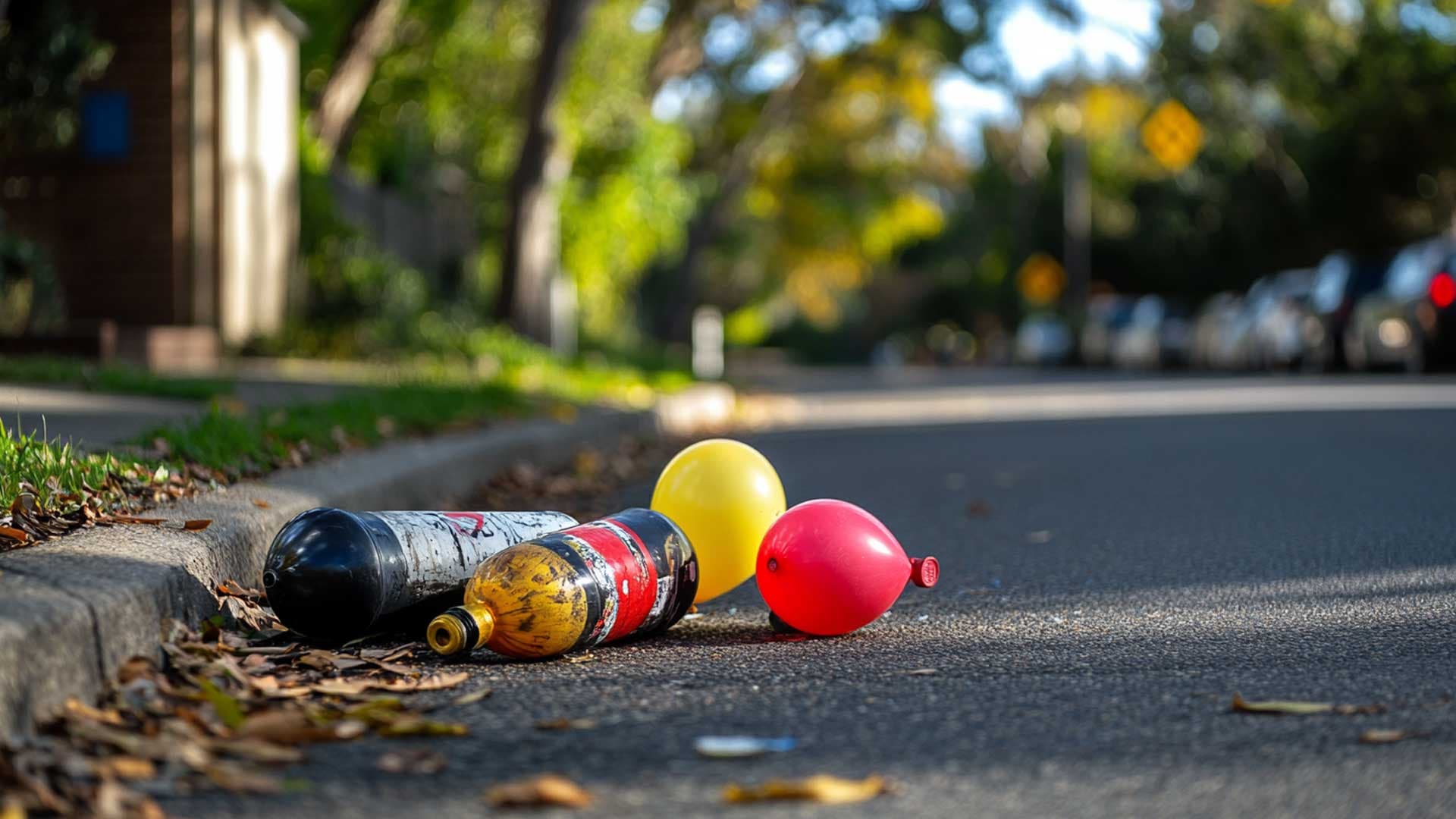
The European Commission has authorised France's temporary measure mandating new labelling for dinitrogen oxide products due to health risks, effective for 36 months from November 2024.
Background On The Decision
On 31 October 2024, the European Commission approved France’s request to enforce specific labelling on products containing only dinitrogen oxide, citing public health concerns. This measure, effective immediately, will last for up to 36 months or until harmonised EU classification is adopted.
Justification For The Measure
France reported to the Commission that dinitrogen oxide poses serious health risks, including neurological damage from prolonged inhalation. Statistics highlighted a rise in related intoxication cases, jumping from 254 in 2020 to 472 in 2021, with severe cases also tripling during this period.
Specific Labelling Requirements
Under Decree No 2023-1224, the packaging must bear the warning "causes damage to the nervous system through repeated or prolonged inhalation exposure" and an accompanying hazard pictogram. The decision aligns with the hazard statement H372 for substances classified under Specific Target Organ Toxicity – Repeated Exposure Category 1 (STOT RE 1).
Implications For Market And Regulation
The measure aims to curb misuse, particularly among young adults, while ensuring compliance without hindering products meeting EU self-classification standards. This temporary action anticipates future harmonisation in EU regulations per the RAC Opinion and potential Commission Regulation.
France's new labelling requirement underscores the balancing act between national health measures and EU market regulations, highlighting the continued evaluation of safety standards for widely used substances.
Official source
eur-lex.europa.euTopics

Dr Steven Brennan
CEO and co-founder of Foresight, and a co-opted member of ECHA's Committee for Socio-economic Analysis. He holds a PhD in chemical engineering.
More from Dr Steven BrennanFind out what this means for your products
Foresight follows changes like this one and shows where they reach your substances, products and markets.

 United States
 Italy
ItalyJoin 3,500+ professionals staying ahead
Foresight Weekly brings the week's regulatory changes across chemicals, product safety, sustainability, ESG and EHS into one email.
Read by professionals at


