
ECHA Awards Contract For New Approach Methodologies (NAM)
The European Chemicals Agency (ECHA) has recently announced the award of a significant contract focused on enhancing the safety and regulation of industrial chemicals. This initiative represents a pivotal step in the evolution of chemical safety protocols within the European Union.
Published in January 2024. Dates, deadlines and stages may have changed since.

Dr Steven Brennan
4 min readAI-drafted, expert reviewed
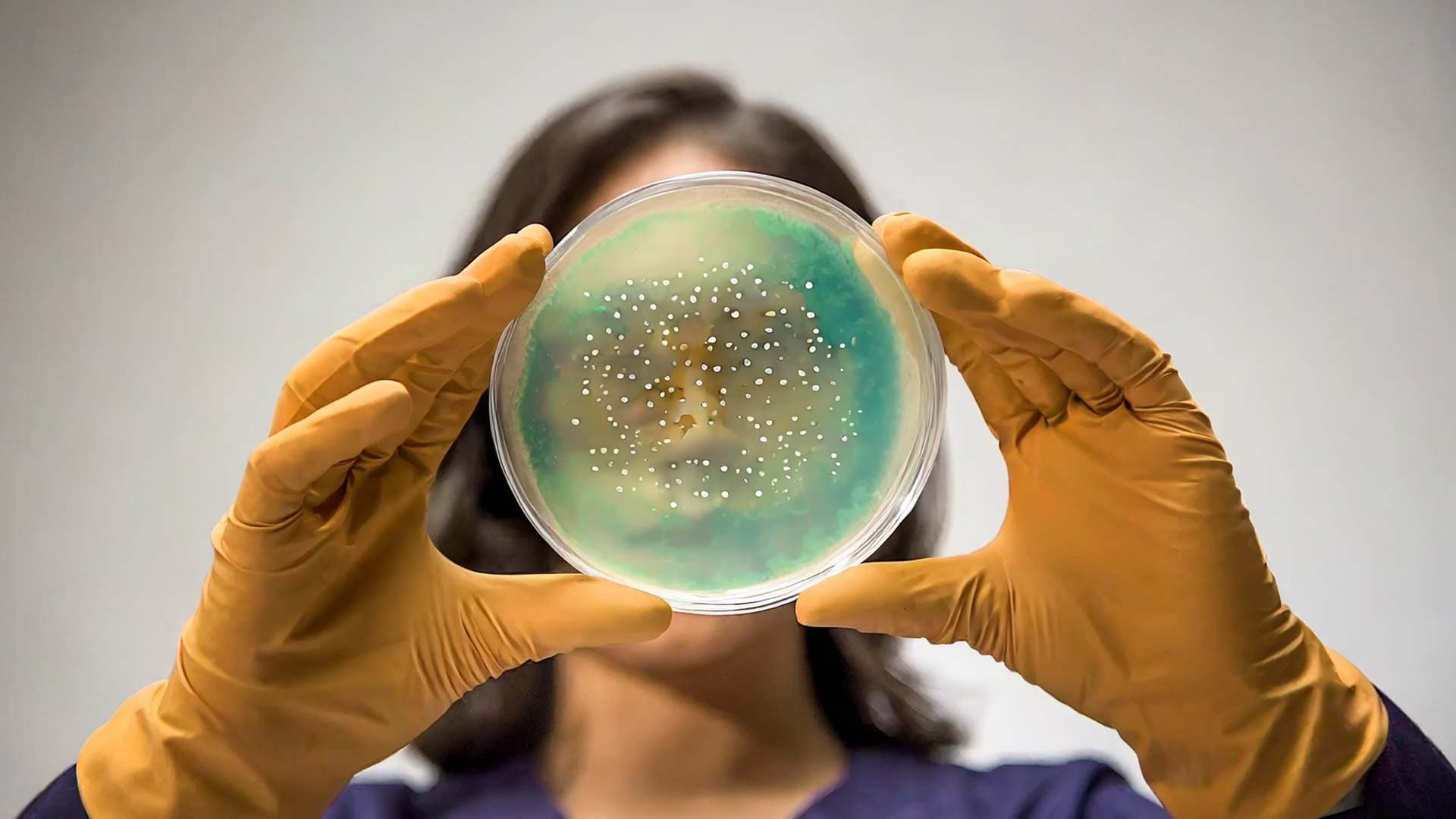
The European Chemicals Agency (ECHA) has recently announced the award of a significant contract focused on enhancing the safety and regulation of industrial chemicals. This initiative represents a pivotal step in the evolution of chemical safety protocols within the European Union.
Contract Overview
Title: Development of New Approach Methodologies (NAM) Based Tools and Data for Hazard Identification and Characterisation of Industrial Chemicals, Including Polymers and Nanoforms.Contract Value: €4,200,000 (excluding VAT).Awarded to: Fraunhofer Gesellschaft zur Forderung der Angewandten Forschung EV, Germany.Reference Number: ECHA/2022/502.
Objective And Scope
The primary objective of this tender is to establish two separate Framework Contracts (FWCs) for scientific consulting services. These services are crucial for the development of NAM-based tools and data, specifically tailored for the hazard identification and characterization of industrial chemicals, including complex compounds like polymers and nanoforms.
Omics Data Generation: A significant part of the contract involves the generation of molecular data (mainly ‘omics) for industrial chemicals.Methodological Developments: The contract also emphasises the development of methodologies related to NAMs for hazard assessment.
What Is Omics Data Generation?
"Omics" data generation refers to a comprehensive approach in biological research that focuses on the collective characterization and quantification of pools of biological molecules. These molecules can be genes, transcripts, proteins, metabolites, or other types of biological compounds. The term "omics" encompasses various disciplines, each specific to a type of molecule:
Genomics: Studying the entire set of an organism's genes (the genome). It involves analysing the structure, function, evolution, and mapping of genomes.Transcriptomics: Involves the analysis of the complete set of RNA transcripts produced by the genome under specific circumstances or in a specific cell.Proteomics: The large-scale study of proteins, particularly their structures and functions. This field is crucial for understanding how proteins affect the biological processes and functions in the body.Metabolomics: Focuses on the comprehensive profiling of metabolites, which are small molecules generated as the end products of cellular processes.Lipidomics: The study of the pathways and networks of cellular lipids in biological systems.Glycomics: The comprehensive study of glycomes (the entire complement of sugars, whether free or present in more complex molecules) of a cell or organism.
Importance In Hazard Assessment Of Chemicals
In the context of hazard identification and characterization of industrial chemicals, including polymers and nanoforms, "omics" data generation plays a pivotal role:
Identifying Biomarkers: Helps in identifying biomarkers for exposure and effects of chemicals.Understanding Mechanisms: Offers insights into the mechanisms of action of chemicals at the molecular and cellular level.Risk Assessment: Enhances the precision of risk assessments by providing detailed molecular profiles.Regulatory Implications: "Omics" data can inform regulatory decisions, offering a more nuanced view of the potential risks posed by chemicals.
Application In Chemical Safety
The use of "omics" technologies allows for a holistic view of the biological impact of chemicals. By analysing the entire spectrum of genes, proteins, and metabolites affected by a chemical, researchers can gain a comprehensive understanding of its potential hazards. This approach is particularly valuable in the study of complex substances like polymers and nanoforms, whose interactions with biological systems may be intricate and multifaceted.
Significance For Stakeholders
Innovation in Chemical Safety: This move by ECHA marks a substantial advancement in the realm of chemical hazard assessment. The integration of NAM-based tools introduces a new era of precision and efficacy in identifying potential risks associated with industrial chemicals.Implications for Industry: The outcomes of this contract are expected to impact regulatory frameworks, guiding industries towards safer chemical practices and compliance.Collaborative Approach: The involvement of a renowned institution like the Fraunhofer Gesellschaft underscores the collaborative nature of this project, blending academic research with practical industry applications.
Action Points For Stakeholders
Stay Informed: It is crucial for industry professionals to stay updated with these developments, as they will likely influence future regulatory requirements.Assess Impact: Companies dealing with industrial chemicals should assess how these new methodologies might affect their operations and compliance strategies.Engage with Innovations: Organisations should consider engaging with these new tools and methodologies, potentially through collaboration or consultation, to enhance their safety protocols.
This initiative by the ECHA is a clear indicator of the EU’s commitment to enhancing chemical safety through innovative methodologies. It opens up new possibilities for safer chemical management and sets a precedent for future advancements in this critical field. Stakeholders are advised to closely monitor these developments and proactively integrate them into their safety and regulatory strategies.

Dr Steven Brennan
CEO and co-founder of Foresight, and a co-opted member of ECHA's Committee for Socio-economic Analysis. He holds a PhD in chemical engineering.
More from Dr Steven BrennanFind out what this means for your products
Foresight follows changes like this one and shows where they reach your substances, products and markets.

 European Economic Area
EU Commission Releases Guiding Principles For Essential Use

European Economic Area
European Commission Unveils "Essential Use" Chemical Strategy To Enhance Green Deal
Join 3,500+ professionals staying ahead
Foresight Weekly brings the week's regulatory changes across chemicals, product safety, sustainability, ESG and EHS into one email.
Read by professionals at


