
 European Economic Area
The EU’s proposed reporting format for waste batteries under Regulation (EU) 2023/1542 will standardise data collection across Member States. It marks a pivotal development for compliance, transparency, and circular economy targets—affecting battery manufacturers, recyclers, and regulators alike.
Published in July 2025. Dates, deadlines and stages may have changed since.

3 min readAI-drafted, expert reviewed
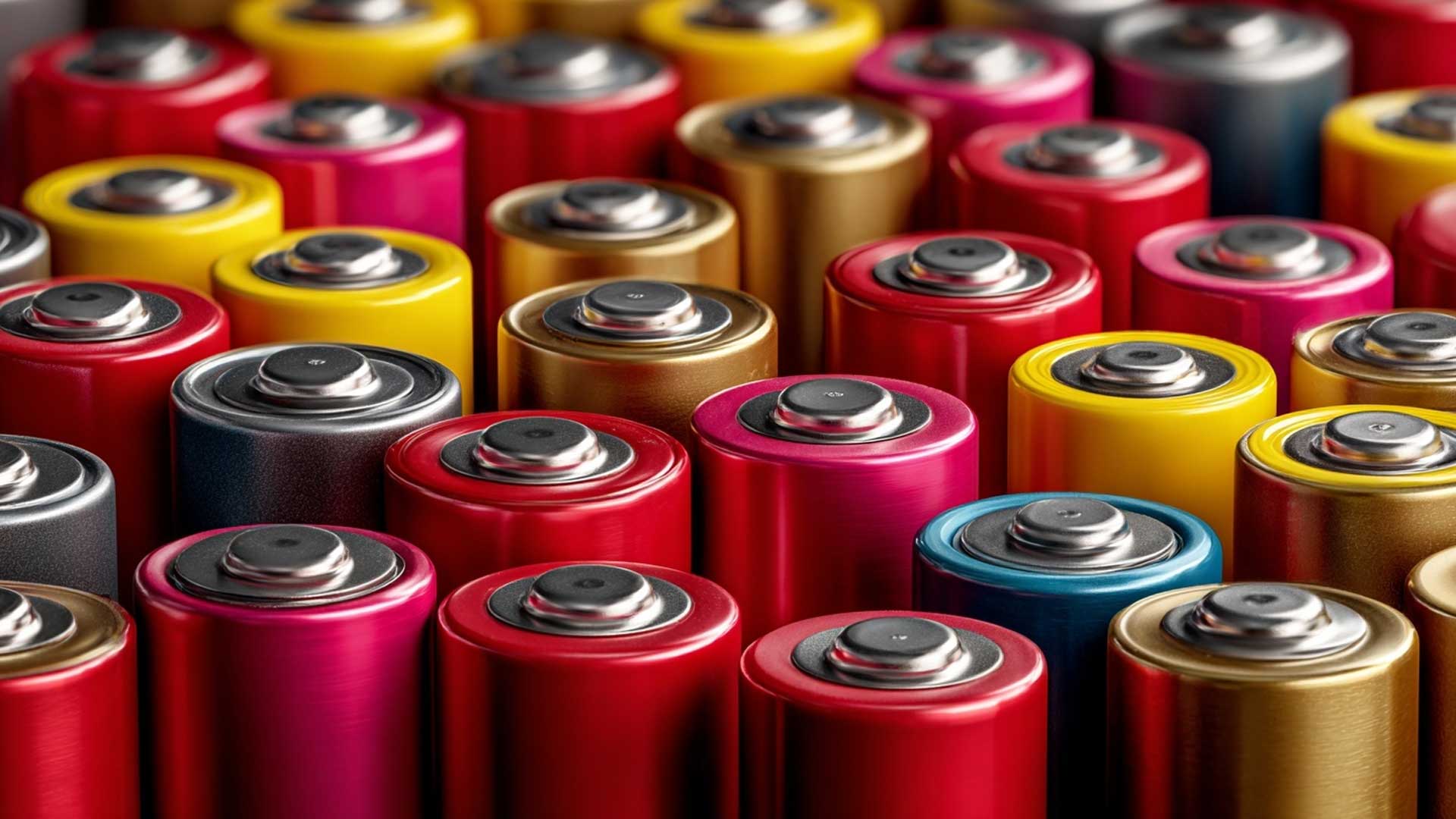
The European Commission has opened public consultation on a draft implementing regulation under the Batteries Regulation (EU) 2023/1542. The proposal, live from 14 July to 11 August 2025, introduces a standardised format for Member States to report data on waste battery collection, treatment, and recycling. This move is designed to unify reporting practices across the EU, directly impacting manufacturers, recyclers, and downstream users in the chemicals and electronics value chain.
Under the proposed format, national authorities must submit annual data on the volumes and chemistry of batteries placed on the market and collected for treatment. The regulation applies to five key battery types—portable, industrial, light means of transport (LMT), starting-lighting-ignition (SLI), and electric vehicle (EV) batteries.
Each category will require detailed breakdowns by battery chemistry, including lithium-based, lead-acid, nickel-cadmium, and others. The format includes metrics on recycling efficiency and material recovery rates for substances such as cobalt, copper, lithium, and nickel. Member States must also provide a standardised quality check report, ensuring data accuracy, traceability, and compliance with Articles 70 and 76 of the regulation.
This initiative is not merely administrative—it carries significant operational and strategic implications for the entire manufacturing value chain. Producers and recyclers will need to align with the reporting methodology, verify data sources, and ensure waste batteries are sorted and categorised correctly.
Authorities will monitor metrics like recycling efficiency and material recovery rates, which can influence future target revisions and market rules, especially for critical materials like lithium and cobalt. Importantly, Member States must submit all data electronically, complying with a standard data interchange system defined by the Commission.
The feedback window remains open until 11 August 2025, offering stakeholders an opportunity to shape the final reporting requirements. The Commission plans to adopt the regulation in Q3 2025. Once in force, the format will be binding and directly applicable across all Member States.
Official source
ec.europa.euTopics
The EU’s draft implementing regulation sets a harmonised structure for Member States to report data on battery collection, treatment, and recycling efficiency under the Batteries Regulation. It mandates detailed submissions by battery type and chemistry to improve monitoring and policy alignment.
Manufacturers, recyclers, compliance officers, and government authorities across the EU will be impacted. Accurate data reporting on battery flows and material recovery will be essential to meet regulatory obligations and support future adjustments to recycling targets.

Dr Steven Brennan
CEO and co-founder of Foresight, and a co-opted member of ECHA's Committee for Socio-economic Analysis. He holds a PhD in chemical engineering.
More from Dr Steven BrennanForesight follows changes like this one and shows where they reach your substances, products and markets.
European Economic Area

European Economic Area
European Economic Area
Foresight Weekly brings the week's regulatory changes across chemicals, product safety, sustainability, ESG and EHS into one email.
Read by professionals at


